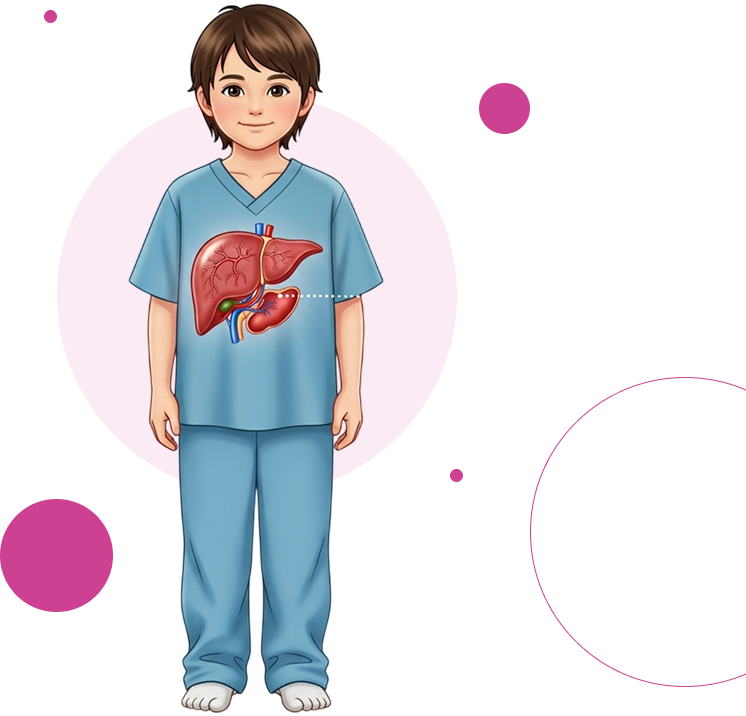
Paediatric liver transplantation is a safe, proven, and highly successful treatment for:
With advances in surgical techniques, even very young infants can undergo transplant with excellent long-term outcomes.
Because children need smaller liver grafts, living donor liver transplantation (LDLT) is now the preferred approach, ensuring timely access to organs and better outcomes.
At Dr. Rela Institute in Chennai, all paediatric liver transplants are performed by a dedicated, highly specialised transplant team led by Prof. Mohamed Rela, a globally recognised leader in liver transplantation.
One of the world’s most accomplished hepatobiliary and liver transplant surgeons
Began his transplant career in 1991 at King’s College Hospital, London
Headed the Live Donor Liver Transplant Programme at King’s
Pioneer of split liver transplantation and living donor liver transplantation
Holds the Guinness World Record for transplanting a 5-day-old newborn, who is now a lawyer
Prof. Rela returned to India in 2009 to establish a world-class programme in Chennai. The centre has now completed:
liver transplants
including
paediatric liver transplants
This makes the Rela Institute one of the largest paediatric liver transplant programmes globally, with outstanding survival rates and internationally benchmarked outcomes.
Consultation with a paediatric hepatologist
Meeting the transplant surgeons to discuss surgical planning
Counselling by a transplant coordinator
Insurance and financial guidance
Complete medical and transplant workup
Psychosocial support from a medical social worker
Nutritional optimisation with a dietitian
Families are encouraged to identify 2–3 ABO-compatible donors
If no match is available, ABO-incompatible transplantation is possible using a specialised desensitisation protocol
Donors undergo detailed CT imaging and health evaluation
Donor counselling ensures clear understanding of the procedure and recovery
Cadaveric organs in India are allocated only to Indian citizens
Long waiting times make children vulnerable to rapid deterioration
Living donor transplantation ensures timely surgery
A parent can often donate a small, safe liver segment suitable for a child
LDLT provides faster, safer, and more predictable outcomes for paediatric patients.
Living donor transplantation is especially life-saving for:
Acute (fulminant) liver failure
Cirrhosis with liver tumours
Rapidly progressing liver disease
Infants and small children with urgent need for transplant
The surgical team at Dr. Rela Institute performs LDLTs with world-class safety and success rates.
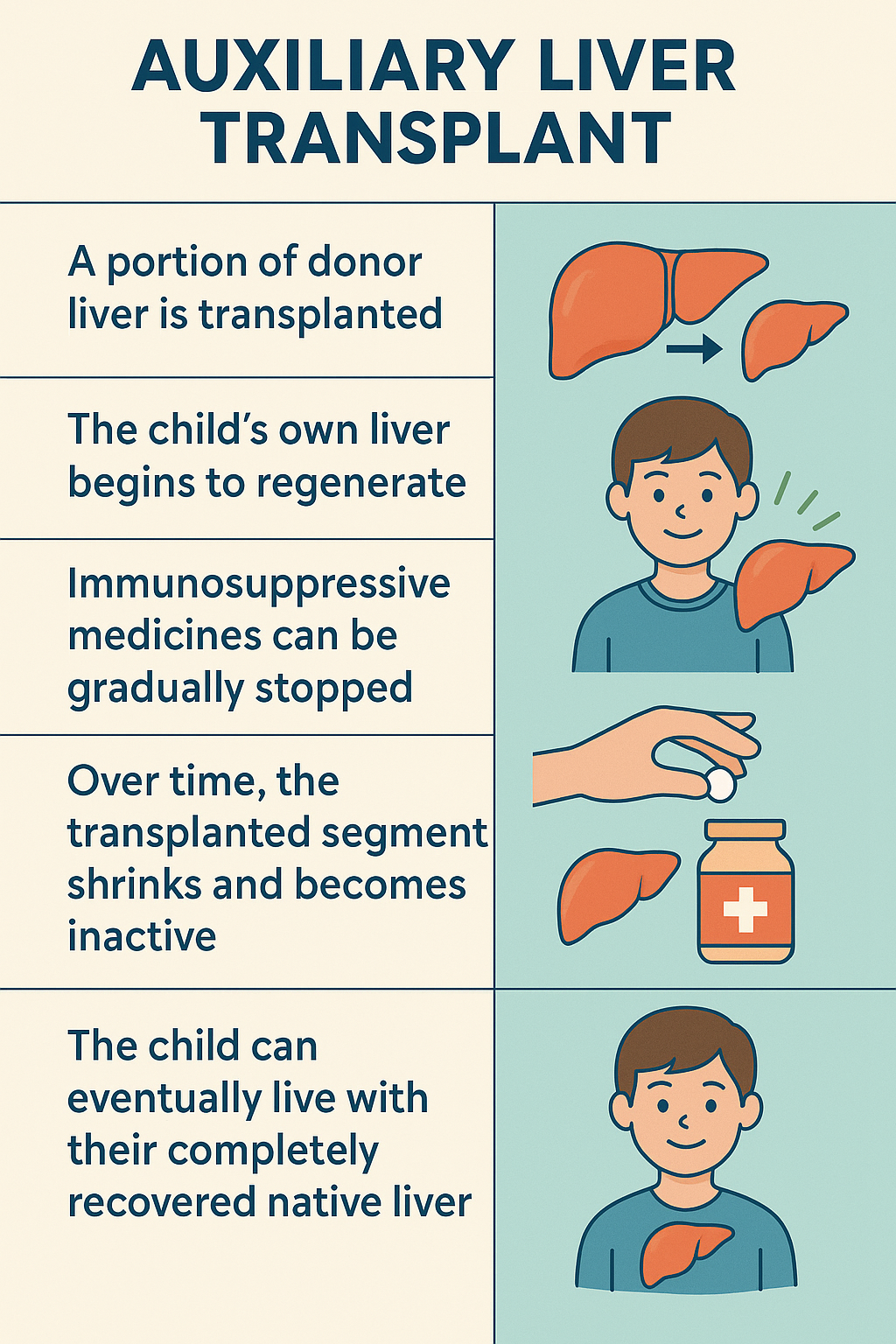
A partial donor liver is transplanted alongside the child’s own liver.
Ideal for:
Acute liver failure( SELECTED CASES)
∙A portion of donor liver is implanted
∙The child’s native liver regenerates after recovery
∙Immunosuppression is gradually stopped
∙The donor liver shrinks (atrophies)
The child eventually lives with their fully recovered liver
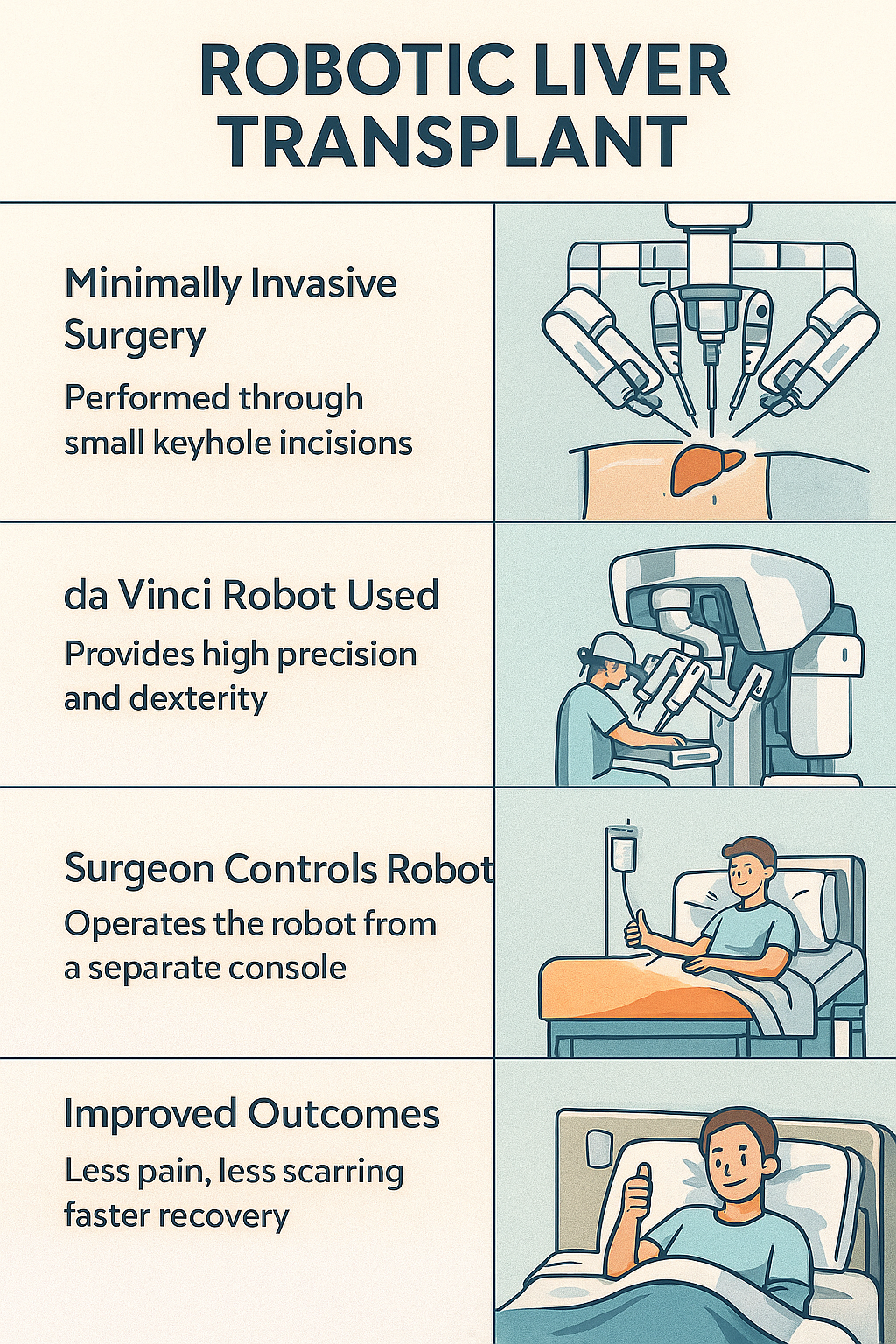
A cutting-edge minimally invasive option where:
Donor surgery
Recipient surgery
…may be performed using robotic systems to enhance surgical precision and recovery.